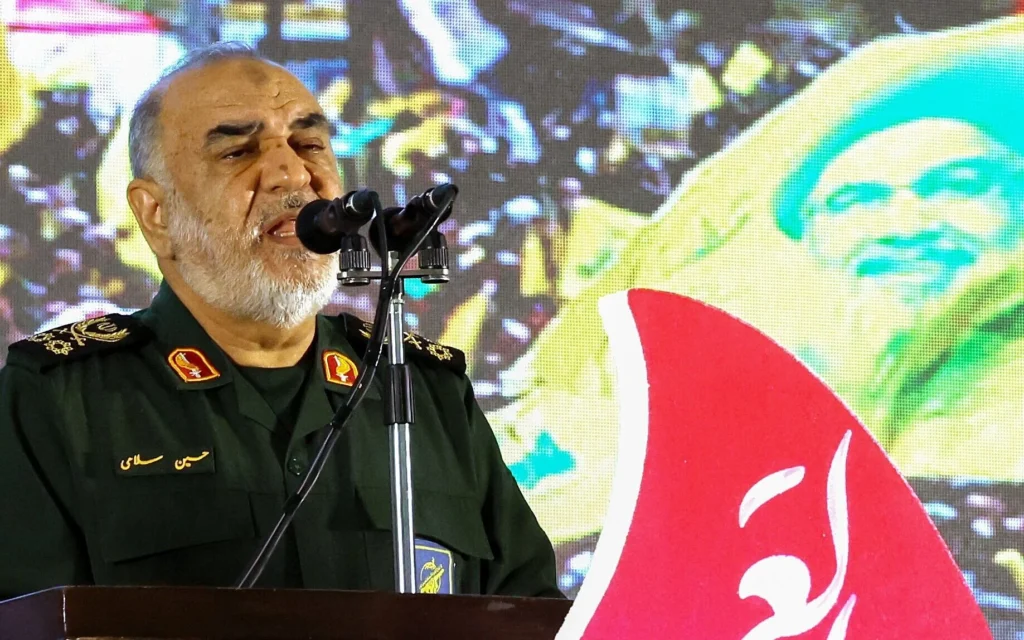
A range of Israeli officials and media outlets sharply criticized a U.S.-Iran memorandum of understanding announced by the Trump administration on Sunday, saying the temporary ceasefire and 60‑day negotiation window leave Israel’s core security concerns unresolved. The agreement, brokered with outside mediation and set to be signed in Switzerland, pauses hostilities and opens talks on sanctions relief and Iran’s nuclear and missile programs — but Israeli leaders say key details remain unclear or unacceptable.
Verified core reporting
- Terms and timeline: According to multiple reports, the memorandum establishes an immediate ceasefire, the reopening of the Strait of Hormuz, removal of a U.S. naval blockade, and a 60‑day negotiating period to resolve outstanding issues including Iran’s nuclear enrichment and sanctions relief. Reuters and The New York Times reported on the framework and the scheduled Geneva signing.
- Israeli objections: Prominent Israeli outlets and officials described the deal as inadequate. Yedioth Ahronoth characterized it as a “bad deal,” while senior Israeli officials cited by Asharq Al‑Awsat and Israeli press listed five main problems: no clear mechanism for handling Iran’s existing enriched‑uranium stockpile; insufficient curbs on enrichment and centrifuge infrastructure; no binding limits on Iran’s ballistic missile development; lack of an enforcement mechanism to halt Tehran’s support for proxy groups such as Hezbollah, Hamas and the Houthis; and opaque provisions on access to frozen Iranian assets during the 60‑day window. These objections were reported by Israeli media and regional outlets.
- Exclusion from negotiations: Israeli leaders also complained they were excluded from talks. Yedioth Ahronoth reported that Israel was not party to the negotiations and that officials felt insufficiently informed about terms being discussed.
- U.S. and Iranian positions: The White House released comments defending the deal’s aim to avert immediate conflict while buying time for diplomacy; President Trump reportedly dismissed some Israeli criticism in media interviews, according to The New York Times. Iran’s Supreme National Security Council confirmed the text was finalized and said it would be signed on June 19 in Switzerland, Reuters reported.
Broader context
- Historical background: Israel has long opposed negotiated arrangements that it judges do not permanently dismantle Iran’s nuclear‑related infrastructure. Past multilateral agreements — most notably the 2015 Joint Comprehensive Plan of Action (JCPOA) — prompted similar Israeli concerns about sunset clauses, inspections and ballistic missile activity.
- Regional implications: Any temporary U.S.-Iran accord affects multiple theaters: maritime security in the Persian Gulf and Strait of Hormuz, Israeli security calculations in Lebanon and Syria, and proxy conflicts in Yemen and Gaza where Iranian-affiliated groups operate. Israel has repeatedly argued its own security needs must be addressed in any settlement with Tehran.
Multiple perspectives
- Israeli government: Prime Minister Benjamin Netanyahu issued a cautious statement acknowledging Israel is not a party to the memorandum and expressing appreciation for U.S. assurances that a final agreement would remove enriched material, dismantle enrichment infrastructure, and end Iranian support for proxies; Israeli press attributed these comments to his office.
- U.S. administration: The White House framed the agreement as a step to halt active hostilities and create space for negotiations on nuclear, missile and sanctions issues. In media interviews, President Trump downplayed Israeli criticism and defended U.S. action as preventing an Iranian nuclear weapon.
- Iranian authorities: Iran’s Supreme National Security Council confirmed the framework and announced plans for a Geneva signing, while Iranian officials characterized the deal as a diplomatic step that preserves Tehran’s interests during negotiations, according to state and international reporting.
- International and regional reactions: Responses from other regional actors and Western capitals varied; some called for careful implementation and verification mechanisms, while others emphasized the need to continue pressure until verifiable limits on nuclear activity are in place. (Attribution: reporting aggregated from Reuters, The New York Times, Asharq Al‑Awsat, Yedioth Ahronoth.)
Implications and significance
- Security and verification: Israeli concerns center on verification, timing and enforcement. If the memorandum leaves significant enrichment and missile activities effectively unchecked during the negotiation window, Israel and some Western allies worry Tehran could consolidate or expand capabilities.
- Diplomatic dynamics: Excluding Israel from initial talks risks straining U.S.-Israeli coordination on Iran policy, potentially complicating future intelligence sharing, contingency planning and regional diplomatic alignments.
- Economic and sanctions questions: Ambiguity over frozen assets and sanctions relief could create rapid flux in Tehran’s access to resources, with implications for regional proxy funding and Iran’s domestic political economy. Reporting on precise financial provisions remains limited and requires further verification.
Closing summary
Israeli officials and media have publicly criticized the U.S.-Iran memorandum as insufficient and opaque, listing five principal objections involving nuclear stocks, enrichment limits, missile production, proxy activity and access to frozen funds, and objecting to exclusion from negotiations. The framework pauses active hostilities and initiates a 60‑day negotiation window, but major verification and enforcement questions remain unresolved ahead of a planned Geneva signing.
Sources: Reuters, The New York Times, Yedioth Ahronoth, Asharq Al‑Awsat — June 15–16, 2026
Content Disclaimer: This report covers developing diplomatic and security events and includes statements from multiple parties whose accounts may differ. Readers are encouraged to consult primary sources and multiple verified outlets for fuller context.