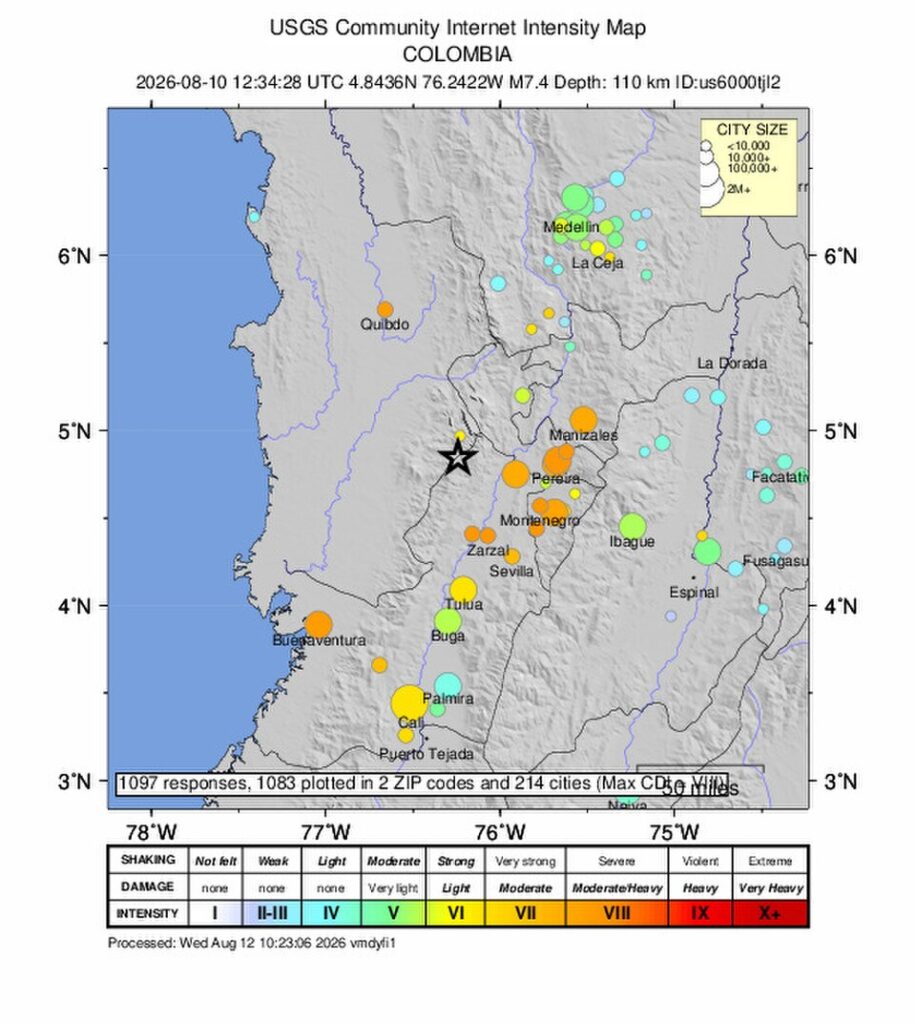
Jeison Guevara, a community leader in the La Italia district — located near the earthquake’s epicenter zone — described the conditions there: ongoing structural damage, complete absence of water, and complete absence of electricity, as of a full day after the earthquake. This on-the-ground account from a community leader inside the earthquake’s hardest-hit area provides the specific human dimension that aggregate damage statistics cannot. It also documents a humanitarian situation that is distinct from the broader disaster narrative: the people closest to where the earthquake actually struck are without basic services and are being reached last.
WHY EPICENTER COMMUNITIES ARE REACHED LAST
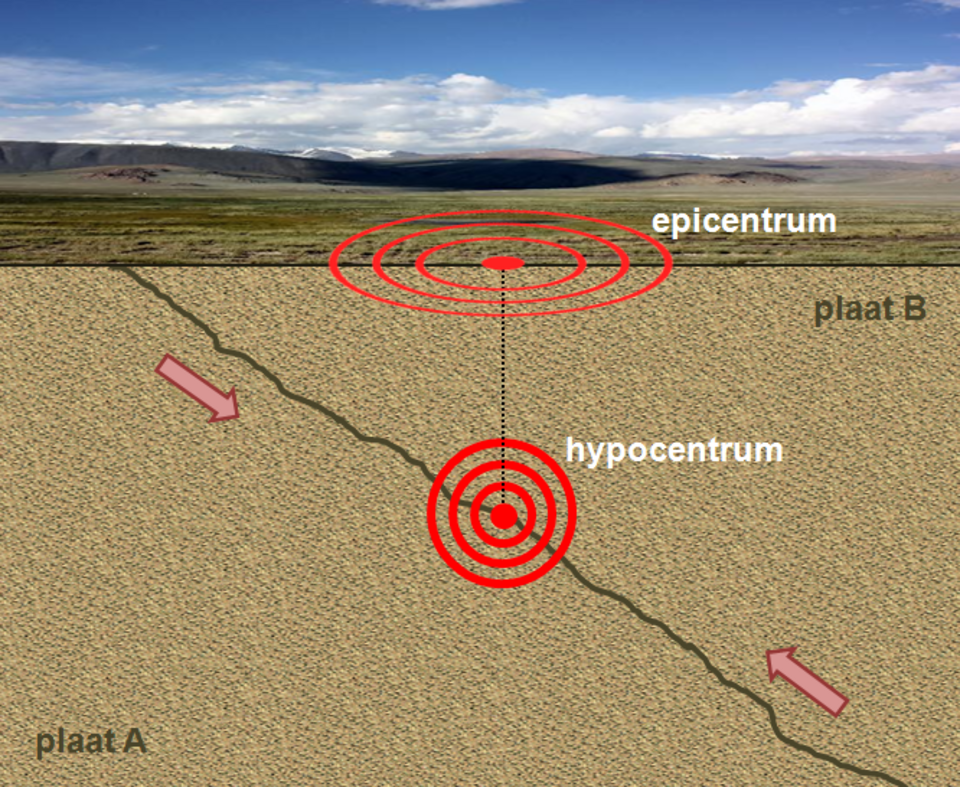
Counter-intuitively, the communities closest to an earthquake’s epicenter often receive the least immediate help in the critical first 24-72 hours. The mechanism: relief operations stage from the nearest functional infrastructure. In Colombia’s case, that means operations running from Cali, Pereira, and Manizales — larger cities that are damaged but functional. Resources move outward from those staging areas toward the most remote affected communities.
La Italia and communities like it — in the Chocó zone and other remote epicenter-adjacent areas — are at the end of that logistics chain. The roads to reach them are damaged. The river routes that are Chocó’s alternative to roads require boats that must be sourced and deployed. Even helicopter operations require a staging area with fuel and landing zones.
“Structural damage combined with a total lack of water and electricity.”
— Jeison Guevara, community leader — La Italia district, earthquake epicenter zone, one day after the earthquake
WHAT NO WATER MEANS SPECIFICALLY
No water in an earthquake aftermath means: no drinking water; no sanitation (toilets cannot flush without water pressure or sewage flow, which requires water); no wound cleaning for injured people; no cooking; and the beginning of dehydration risk for residents who have not been evacuated and cannot access clean water from other sources. In a community that was already accessible only by boat or plane before the earthquake, the water infrastructure failure is not a convenience problem — it is a survival problem.
The specific urgency of water restoration in earthquake-affected communities has a 72-hour parallel to the survival window for trapped persons: dehydration becomes medically serious at approximately 3 days without water. Communities whose infrastructure is destroyed are effectively facing the same deadline as trapped individuals, but for different physiological reasons.
THE DISTRIBUTION INFRASTRUCTURE PROBLEM
Getting water and electricity to La Italia requires either restoring the systems that provided them before the earthquake (which requires assessing and repairing damaged infrastructure) or delivering alternatives (bottled water, portable generators). Both require the same logistics access that rescue operations require. The prioritization question — which communities get water first — is not answered by need alone but by logistics access. Communities that are easiest to reach get resources first, which is the inverse of need.
WHAT HAPPENS NEXT
▸ Water delivery operations to remote epicenter communities will be the specific logistical priority as rescue operations transition to recovery
▸ Military and civil defense assets will be used for helicopter water delivery to boat-access-only communities
▸ Guevara’s statement will be used by international humanitarian organizations to document the specific needs of the hardest-hit areas
| CONFIDENCE: HIGH | Jeison Guevara statement (La Italia, no water, no electricity, structural damage) is documented from direct community leader reporting. Logistics-inversion analysis (closest communities reached last) is ONYX editorial based on established emergency management patterns. |
SOURCES
▸ Jeison Guevara — community leader, La Italia district, direct statement
Q: Where is La Italia?
A: La Italia is in or near the Chocó department, the area closest to the earthquake’s epicenter. Its specific remoteness — accessible primarily by boat or plane — makes it both the hardest-hit area and the most difficult to reach with emergency resources.
Q: How are communities without water being supported?
A: Primarily through bottled water delivery by military aircraft and boats, and through emergency potable water purification units that can be deployed forward into areas without functioning water infrastructure. The specific operations reaching La Italia are not confirmed in available reporting.