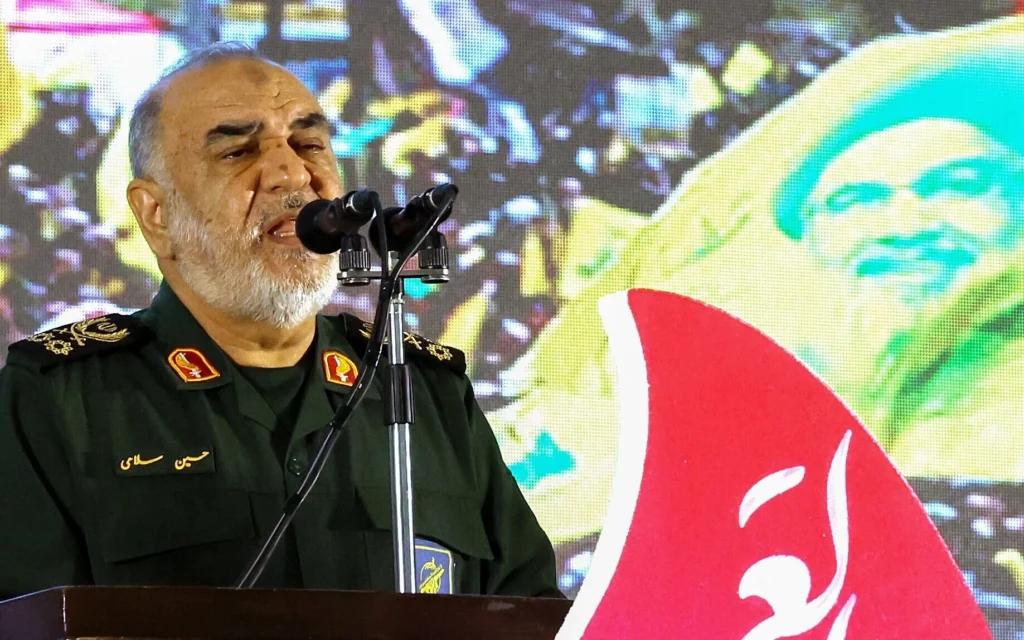
Tehran transmitted a proposal linking nuclear discussions to conditions for reopening the Strait of Hormuz; Washington is reviewing it in what may be the most significant diplomatic development of the Iran war arc.
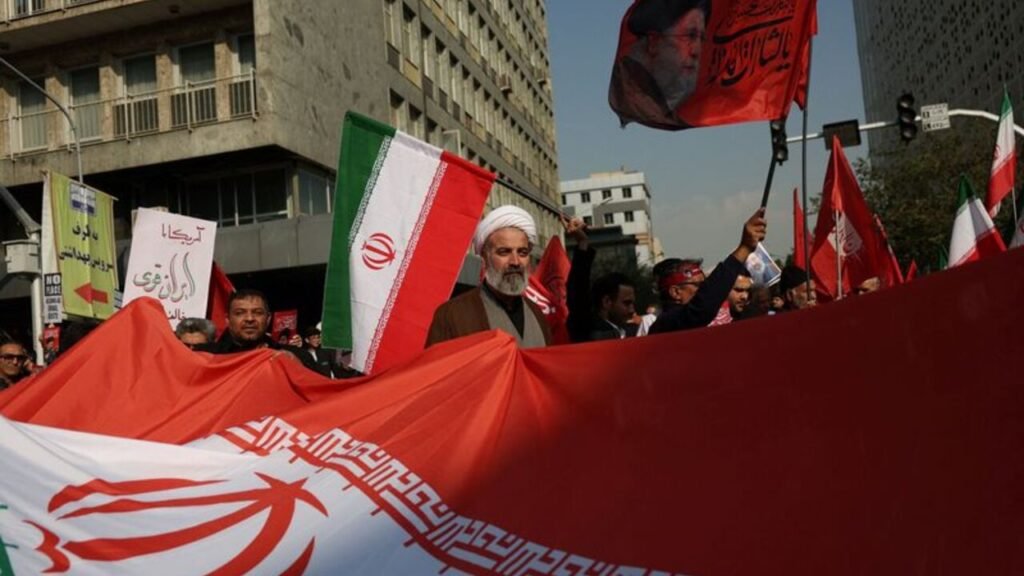
IRAN WAR · NUCLEAR · DIPLOMACY · HORMUZ · ARC: IRAN WAR ARC NOV 2-7
Iran transmitted a formal nuclear proposal to the United States through the Qatari mediation channel, linking nuclear discussions to Tehran conditions for reopening the Strait of Hormuz, Reuters and Just Security reported on Saturday. The transmission marks the first formal Iranian diplomatic initiative since the November 2 Qeshm Island strikes, and represents a potential opening for negotiations that the Trump administration was reviewing as of Saturday. The Iran nuclear proposal is the most significant diplomatic development in the Iran war arc that ONYX News has tracked since November 2.
Reuters cited diplomatic sources familiar with the content of the Iranian proposal, while Just Security — a legal and national security analysis outlet with strong sourcing in the US national security community — provided additional detail on the structure of the offer. The core Iranian position, as reported by both outlets, links two distinct tracks: a willingness to resume nuclear discussions within a modified framework, and specific conditions that Tehran is demanding as prerequisites for reopening the Strait of Hormuz to international shipping. The linkage of nuclear and Hormuz tracks is strategically significant: it creates a package framework that gives both sides deliverables to point to domestically if an agreement is reached.
The Proposal Structure
Just Security reported that the Iranian proposal contains several elements: an offer to allow IAEA inspectors access to specific facilities that had been closed since the 2018 US withdrawal from the JCPOA; a commitment to cap uranium enrichment at a specified level below weapons-grade during the negotiation period; and conditions for reopening Hormuz that include a suspension of US military operations in the Persian Gulf below a defined threshold, the lifting of specific financial sanctions that affect Iranian oil exports, and a public US acknowledgment that the November 2 Qeshm Island strikes were taken without full legal authorization under the War Powers Act.
The last condition — a US acknowledgment of War Powers concerns — is diplomatically significant and politically complex. Such an acknowledgment would validate the Democratic congressional position that the Iran war exceeded presidential authority and would provide ammunition for the war powers resolution that Senator Schumer committed to pursuing. It would simultaneously represent a diplomatic concession that the Trump administration might be willing to make if it believed the overall package justified the political cost.
“Iran has transmitted a proposal. It is serious and comprehensive. Washington is reviewing it carefully.” — Senior diplomatic source cited by Reuters
The Qatar Channel
Qatar has served as the primary intermediary between the United States and Iran throughout the post-November 2 period, a role consistent with its prior function as a back-channel during the JCPOA negotiations and during the period of maximum US-Iran tension in the first Trump term. Reuters noted that Qatar Foreign Minister Mohammed bin Abdulrahman Al Thani had personally conveyed the Iranian proposal to US counterparts, indicating the seriousness with which Doha was treating the transmission and the level of Qatari diplomatic investment in the channel. The use of the Qatar channel also gives both parties plausible deniability: neither has to acknowledge direct contact.
The Iranian proposal transmission arrives on the same day as the Kyiv missile strike and Trump deal prediction, creating a Saturday of overlapping diplomatic and military signals across the two active US military engagement arcs. The Iran proposal is the most consequential of these signals for the medium-term trajectory of American foreign policy, as it creates a potential off-ramp from the Iran conflict that the Trump administration will need to decide whether to engage seriously.
WHAT HAPPENS NEXT
► White House National Security Council to complete initial review of Iranian proposal within 48-72 hours
► Qatar to serve as message-carrier for US response to Iranian proposal
► Congressional leadership — both Democratic and Republican — to be briefed on proposal content
► IAEA to be consulted on feasibility of nuclear access conditions proposed by Iran
| CONFIDENCE: HIGH | Reuters and Just Security both reported on the Iranian nuclear proposal transmission through Qatar. Two-source convergence with Reuters as a primary international wire service and Just Security as a credible national security analysis outlet with strong sourcing. This is among the most consequential stories in this edition. |
| Bias Check | ||
| Left-Lean | Center | Right-Lean |
| Iranian proposal framed as opening that Trump will squander; calls for immediate diplomatic engagement. | Reports proposal structure and diplomatic channel factually; contextualizes War Powers and Hormuz linkage. | Iranian proposal framed with skepticism; demands characterized as Tehran negotiating from weakness. |
SOURCES
► Reuters — Iran nuclear proposal transmitted to US via Qatar, Hormuz conditions linked, November 7, 2026
► Just Security — Iranian proposal structure detail, War Powers acknowledgment condition, Qatar channel mechanics