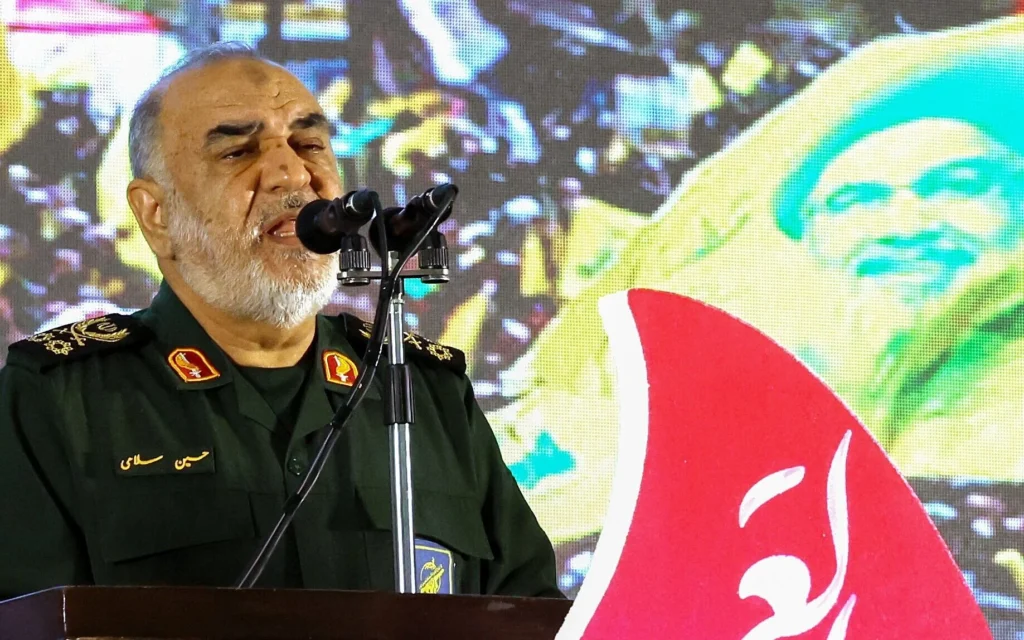
American troops are expected to leave their final bases in Iraq after more than two decades of military operations. The withdrawal is being welcomed by Iran and its allies, who are likely to gain greater influence in Baghdad following the departure of US forces.
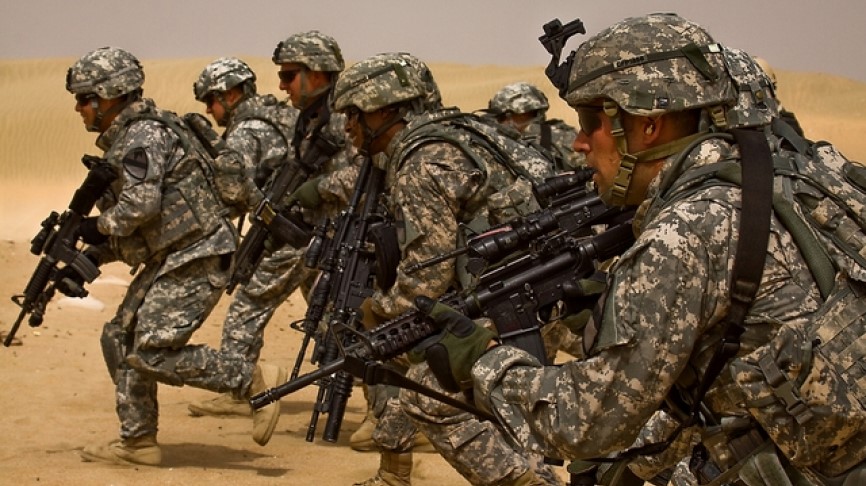
THE 23-YEAR ARC
ONYX documents the arc that this withdrawal closes:
▸ March 2003: the US-led invasion of Iraq began; Saddam Hussein’s government fell in weeks; the occupation that followed lasted years
▸ 2003-2011: counterinsurgency operations; Abu Ghraib; the surge; the Anbar Awakening; approximately 4,500 US service members killed
▸ December 2011: US combat troops withdrew under Obama-era Status of Forces Agreement expiration
▸ 2014: ISIS captured Mosul and declared a caliphate; the US returned to Iraq in an advisory and air support capacity
▸ 2014-2019: the campaign to defeat ISIS; Mosul liberated October 2017; ISIS territorial caliphate collapsed March 2019
▸ 2019-2026: continued US presence at Iraqi invitation; counterterrorism; training; advisory missions
▸ September 30, 2026: the final withdrawal from remaining bases
Two decades. Three separate operational phases. The US leaves a different Iraq than it invaded: the Baathist state gone; ISIS’s territorial caliphate defeated; a parliamentary government in Baghdad that maintains closer ties to Iran than the US-backed government of 2003 imagined.
WHAT IRAN GAINS
Iran and its allies welcoming the US withdrawal is the arc’s specific documented strategic outcome. The specific gains Iran is likely to consolidate:
▸ Baghdad political influence: Iran-aligned political parties and militias (the Popular Mobilization Forces) are the dominant non-state security actors in Iraq; without US forces as a counterweight, their influence over Baghdad politics and security is likely to expand
▸ Iraqi territory: Iran-backed militias will face less operational constraint in their activities across Iraq without US forces monitoring and countering their movements
▸ Regional land corridor: Iran’s documented strategic goal is a continuous land corridor from Tehran through Iraq and Syria to Lebanon (Hezbollah); US forces in Iraq have constrained this corridor; the withdrawal reduces that constraint
▸ Hormuz negotiating position: the US withdrawal from Iraq, if it reduces US military capacity to project force in the region, potentially changes the military balance that has been the context for the Hormuz negotiations
THE HORMUZ TIMING
The US withdrawal from Iraq is completing while the Hormuz sequencing dispute has six days to resolve. The withdrawal is welcomed by Iran — the same Iran that is negotiating over Hormuz reopening conditions. Whether the withdrawal is connected to the Hormuz negotiations — as a US concession or as a pre-planned transition — is a specific analytical question the available reporting does not confirm. ONYX names the timing without asserting a causal connection that has not been confirmed.
WHAT THE US LOSES
The US military’s documented assets and capabilities that the Iraq bases provided:
▸ Forward operating positions for rapid response in the region
▸ Intelligence collection infrastructure on Iran, Iran-backed militias, and regional threats
▸ Counterterrorism platforms for continued operations against ISIS remnants
▸ The ability to physically interpose US forces between Iran-backed actors and US allies in the Gulf
American troops are leaving Iraq after 23 years. Iran is welcoming their departure. Iran is also six days from an October 6 ceasefire deadline. The US withdrawal from Iraq reduces US military capacity in the region. Iran’s negotiating position on Hormuz is partially about US military pressure. Both things are happening simultaneously. ONYX names both and the timing. Whether they’re connected is from confirmed reporting that doesn’t yet exist.
WHAT HAPPENS NEXT
▸ Iraq post-withdrawal — whether Iranian-backed militias expand their operational footprint
▸ Baghdad political realignment — whether the government formally shifts toward Iranian alignment
▸ Regional balance — whether other Gulf states respond diplomatically or militarily to the changed balance
▸ Hormuz — whether the Iraq withdrawal is factored into the sequencing negotiation
| CONFIDENCE: HIGH | American troops expected to leave final bases in Iraq after more than two decades; military operations welcomed; Iran allies gain greater influence in Baghdad, according to confirmed reporting. |
| ⚖️ BIAS CHECK — WHO IS SAYING WHAT | |
| Iran | Welcoming the withdrawal; its documented strategic interest is expanded regional influence without US counterweight |
| Iraq government | Has requested the withdrawal; its domestic politics are shaped by Iranian-aligned parties who benefit from US departure |
| US military | Withdrawing from a presence that has cost 4,500+ lives and two-plus decades of resources |
| Gulf allies (Saudi, UAE, Kuwait) | Not confirmed as publicly responding; their security calculations change with US forces out of Iraq |
| ONYX | Covering the withdrawal and its documented strategic implications; naming the Hormuz timing without asserting causal connection |
SOURCES
▸ Confirmed reporting — US withdrawal from Iraq; final bases September 30, 2026