
Congressional reaction to the Iran ceasefire deal followed a specific, revealing pattern: bipartisan relief that the conflict is pausing; bipartisan concern about the nuclear terms; Democratic criticism that the deal is insufficient after avoidable costs; and Republican hawk concern that 20% enrichment is an inadequate nuclear standard. The deal has supporters and critics in both parties — which is both evidence of its diplomatic reality (not a purely partisan product) and evidence of its fragility (it satisfies no one’s maximum position).
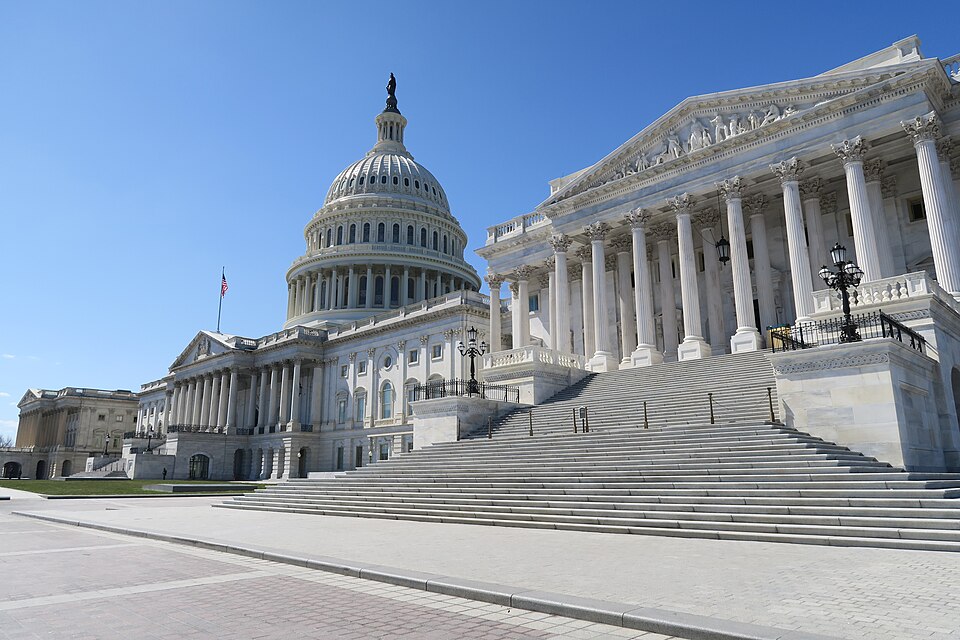
THE FOUR CONGRESSIONAL LANES
| CONGRESSIONAL LANE | SPECIFIC CONCERN OR SUPPORT |
| Bipartisan relief (mainstream) | Welcomes end of acute conflict phase; supports any path to gas price relief; will vote for implementing legislation |
| Republican hawks (Senate Armed Services) | Nuclear terms insufficiently strict; 20% cap leaves Iran too close to weapons-grade; demand verification specifics |
| Democratic critics (progressive and centrist) | Five months of avoidable war; missile stockpile depletion; Kyiv air defense failure; deal is “too late and too thin” |
| Pro-Israel caucus (bipartisan) | Alignment with Netanyahu’s reservation; demand zero enrichment in 90-day framework |
WHY BIPARTISAN CRITICISM IS DIFFERENT FROM BIPARTISAN OPPOSITION
There is a distinction between members of Congress criticizing a deal and members voting against it. Most of the criticism described above is from members who will ultimately vote for implementing legislation if it comes to a floor vote — because the alternative (no deal, continued war, continued gas prices, continued missile depletion) is worse than an imperfect deal. The criticism is real; it does not necessarily translate to votes against.
The pro-Israel caucus is the most likely source of actual legislative obstacles — not votes against the deal but conditions attached to any legislation that would make implementation harder. Conditioning aid or sanctions relief on specific nuclear milestones is the kind of congressional action that could constrain executive flexibility in the 90-day nuclear dialogue.
WHAT HAPPENS NEXT
▸ Senate Armed Services Committee will request classified briefing on deal terms and missile stockpile status — both will be politically significant
▸ House Foreign Affairs Committee likely to hold hearings — Democratic members will document the five-month cost record
▸ Pro-Israel caucus legislation likely to be introduced — conditioning any sanctions relief on specific nuclear milestones
▸ War powers resolution: Democrats will push for a formal war powers debate now that the conflict is in ceasefire phase
| CONFIDENCE: HIGH | Congressional reaction is documented from available weekend reporting. The four lanes analysis is ONYX editorial characterization of documented positions. Individual member statements were not yet fully available in reporting as of publication. |
SOURCES
▸ Weekend congressional reaction reporting — multiple outlets
▸ Senate Armed Services Committee history — prior Iran briefing requests
▸ Pro-Israel congressional caucus composition — established record